

by Jillian Ulery, Resident in Counseling & Art Therapist
In the world of memory care and dementia, where words can sometimes falter and memories fade, a powerful and often overlooked tool exists: art therapy. It offers a unique avenue for connection, expression, and even a gentle stirring of recollections for individuals navigating the challenges of cognitive decline.
While traditional therapies might rely heavily on verbal communication, art therapy taps into a different realm – the visual, tactile, and emotional. It provides a non-verbal outlet for feelings that can be difficult to articulate, offering a sense of control and accomplishment in a world that can often feel unpredictable.
The Multifaceted Benefits of Art Therapy in Memory Care
The benefits of art therapy for individuals in memory care are profound and far-reaching:
- Sparking Dormant Memories: Engaging with familiar materials like paint, clay, or even textured paper can act as sensory cues, gently nudging long-term memories to the surface. The act of creating, even simple strokes or manipulations, can unlock forgotten feelings and associations. Perhaps the scent of paint evokes a childhood art class, or the feel of clay brings back memories of gardening.
- Providing a Voice Beyond Words: As communication becomes increasingly challenging, art offers a vital outlet for emotions, frustrations, and joys. A splash of vibrant color might express happiness, while darker hues could reflect sadness or anxiety. Observing and acknowledging these non-verbal cues allows caregivers and therapists to better understand the individual’s inner world.
- Boosting Self-Esteem and Reducing Isolation: Completing a piece of art, no matter how simple, can instill a sense of pride and accomplishment. This can be particularly important for individuals experiencing the loss of cognitive abilities, helping to maintain a sense of identity and self-worth. Group art therapy sessions also foster social interaction and reduce feelings of isolation, creating a supportive and engaging environment.
- Enhancing Sensory Stimulation and Motor Skills: The act of creating art engages multiple senses – sight, touch, and sometimes even smell. Manipulating art materials can also help maintain fine motor skills and hand-eye coordination, which can be affected by cognitive decline.
- Reducing Agitation and Anxiety: The focused and repetitive nature of some art activities can have a calming effect, reducing agitation and anxiety often associated with dementia. The creative process can provide a healthy distraction and a way to channel restless energy.

Commonly Used Art Therapy Processes for Memory Care
Art therapy doesn’t require any prior artistic talent. The focus is on the process, not the final product. Simple activities can be incredibly effective:
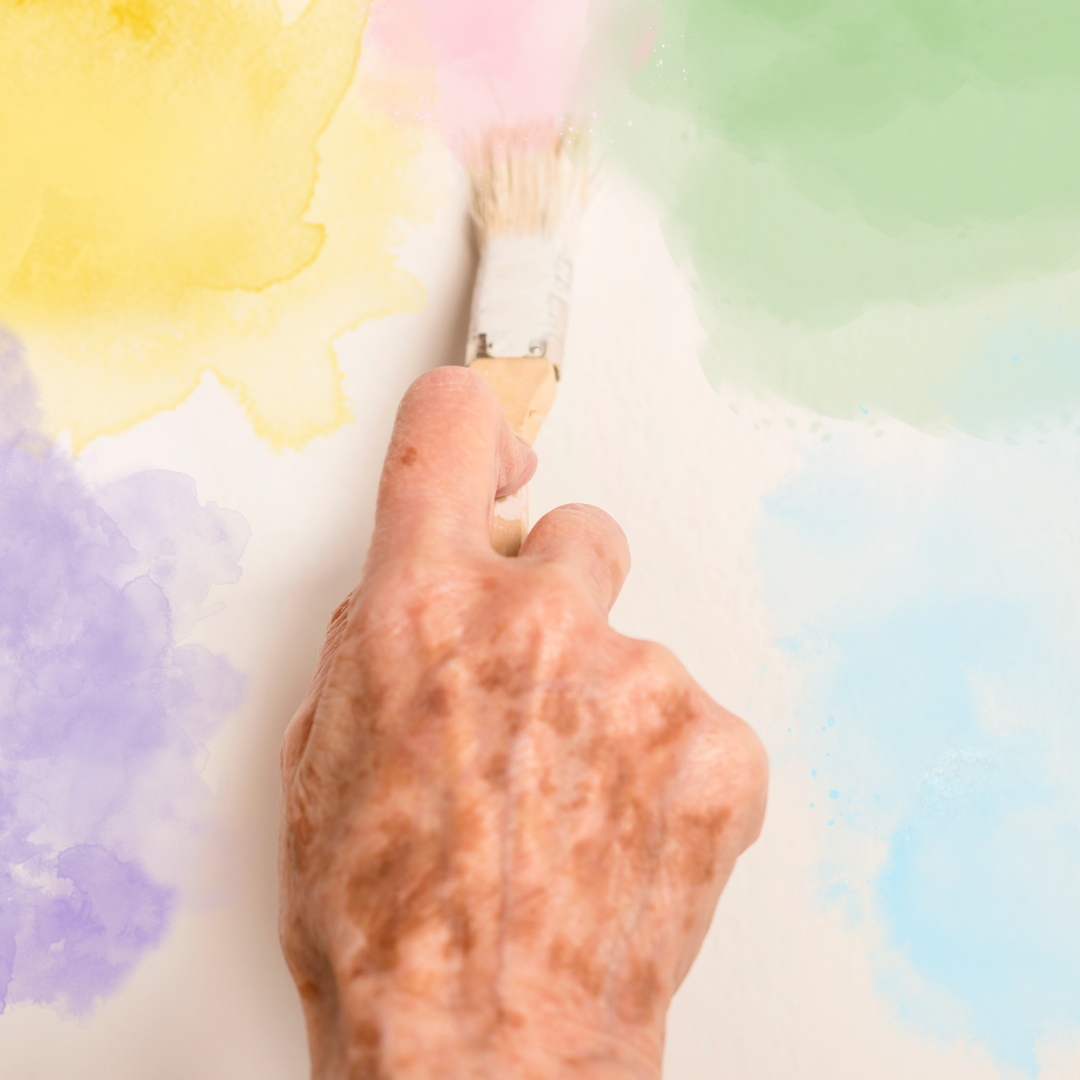
- Painting with watercolors or finger paints: The fluidity and vibrancy of paint can be soothing and expressive.
- Working with clay or playdough: The tactile nature of these materials can be grounding and provide a sensory outlet.
- Creating collages with textured paper and fabric scraps: This allows for exploration of different textures and visual elements.
- Simple drawing or coloring: Familiar images or patterns can be comforting and engaging.
The Possibilities
Art therapy offers many possibilities for enriching the lives of individuals in memory care and those living with dementia. By tapping into their innate creativity and providing a non-verbal means of expression, it can unlock memories, foster connection, and bring moments of joy and peace to their journey. As we continue to seek holistic and person-centered approaches to care, the power of art therapy deserves a prominent place in supporting and empowering those navigating the complexities of cognitive change.
Leave a Reply