

by Lawson Craighill, MA, Resident in Counseling
In play therapy, kids creatively express their needs, feelings, and experiences in ways that don’t always rely on words. One of the key themes that frequently emerges is nurturance. Whether they’re caring for a sick stuffed animal or playing “Mom” to a row of action figures, these nurturing actions tell us a lot about how the child feels and what they may need from the people around them.
Why Nurturance Matters
Children thrive on connection and care. In their early years, they rely on adults for safety, comfort, and emotional support. When a child enters play therapy, the need for nurturance often shines through—sometimes in a straightforward way, and sometimes in more symbolic or creative forms. Play becomes their way of expressing these deep emotional needs, whether they’re seeking affection, offering it, or trying to understand their relationships with caregivers.

How Nurturance Shows Up in Play
Caretaking Roles– Children often take on the role of caregiver in their play. Whether they’re taking care of a baby doll, tending to an action figure, or being the “parent” to a stuffed animal, they’re exploring what it means to care for someone else. This can reflect their desire for nurturance, or their understanding of how caregiving looks and feels.
Playing Doctor– Kids frequently engage in healing scenarios—like playing doctor, nurse, or vet—where they nurture toys or characters back to health and declare everything fixed with a magical Band-Aid. It’s like a mini urgent care, where no one ever follows up but somehow everyone’s cured! This kind of play not only reflects their experiences with being cared for but also gives them a sense of control over healing and comfort.
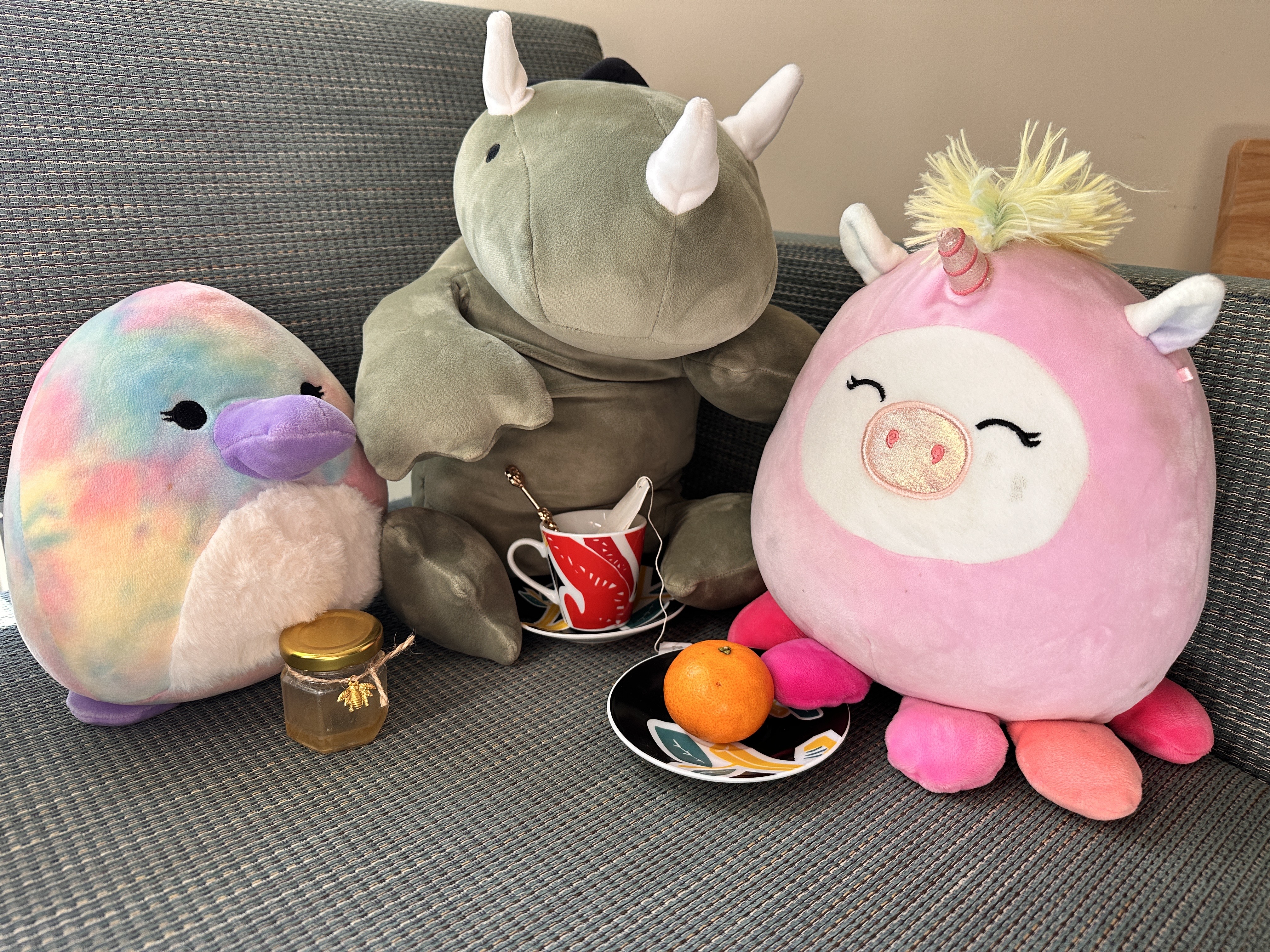
Feeding Time– One of the most direct forms of nurturance in play is feeding. Sometimes it’s serving Play-Doh pizza to a doll or hosting a dinosaur tea party where everyone gets a cookie, feeding play can be a symbol of both physical and emotional nourishment.
Protective Play– In some cases, children focus on protection. They may build forts to protect their toys from imagined dangers. A stuffed penguin? Safe behind those Legos! This protective instinct often reveals their own needs for safety and care, or it can show their growing understanding of what it means to be nurtured in a secure environment.
Real-Life Nurturing Moments– Kids love to replay real-life routines like bedtime, comforting after a fall, or giving their toys hugs. This reflects their desire for comfort and can also show how they’ve internalized the care they’ve received—or wish they had.
Nurturance and Trauma
Children who’ve experienced neglect, trauma, or inconsistent caregiving may explore nurturance in more complex or even conflicted ways. Maybe they’ll play out a scenario where a toy asks for care but doesn’t get it, or they’ll start nurturing and then stop halfway through. It’s a window into how they’ve struggled with trust and connection. But in play therapy, they get to work through these feelings in a space that’s safe, with a therapist who shows them they deserve care, too.
The Therapist’s Role
In nurturing play, the therapist becomes a quiet supporter, watching and sometimes stepping in to help the child feel secure. It’s a balancing act—sometimes letting the kid run the show, and sometimes gently guiding them. And when the child serves up an imaginary five-course meal during a pretend dinner party? The therapist eats every bite of air like it’s gourmet.
Conclusion
Nurturance in play therapy is a fundamental, sometimes funny, and always meaningful theme. Kids care for their toys like they’re the world’s best (and occasionally forgetful) parents, exploring what it means to give and receive love. By recognizing and understanding these nurturing themes, therapists can support children in building stronger connections, developing trust, and healing from past experiences.

Leave a Reply