

By Lawson Craighill, MA, Resident in Counseling
In play therapy, kids express things they can’t always put into words. One of the key themes that often comes up is power and control. Whether they feel like they don’t have any, or are trying to figure out where they do, play is their way of working through these feelings.
Why Power and Control Matter
Kids spend a lot of time trying to understand how much control they have over their lives. Spoiler alert: they feel like they don’t have much most of the time! Between adults making the big decisions to school rules, it’s easy for kids to feel like their world is out of their hands. That’s where play comes in! Whether they’re taking control of a situation, or trying to make sense of times when they feel powerless, they finally get to be in charge.
How Power and Control Show Up in Play

Playing the Boss– Whether they play the role of a superhero, parent, or teacher, kids often take on powerful roles. It’s their way of feeling in control, especially if they don’t feel that way in real life.
Epic Battles– Whenever we see toy figures duking it out in a therapy room, it’s often representative of something deeper. When kids act out fights or struggles in play, they’re often reflecting real-life conflicts. This could be with siblings, friends, or even adults in their lives. In play, they get to control the outcome, which can be empowering.
Managing Toys– Some kids love to carefully arrange or manipulate toys—building structures, then knocking them down, or creating detailed scenarios. It’s like they’re saying, “I can’t control this piece of my life, but I can control this tower!” These actions can often reflect how much control they feel over their environment.
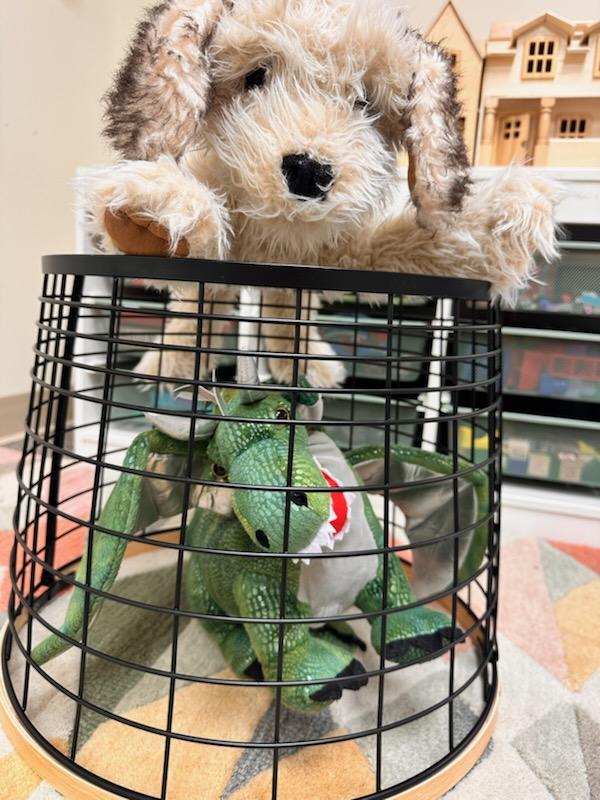
Jailbreak and Restraint– When kids tie up their toys or lock them in cages, they can be acting out their frustrations of feeling trapped—by rules, routines, or just life in general. It’s also a way for kids to act out what it’s like to have control over others, flipping the script on their real-life experiences.
Testing Limits– Kids often test limits with the therapist, pushing to see how much control they can have. Think of it as a friendly “Who’s in charge here?” game. This helps them explore the balance of power in a safe environment.


When Trauma Adds a Twist
For kids who’ve experienced trauma, themes of power and control are even more significant. When real-life events make them feel helpless, they might use play to flip the script and regain a sense of power. By controlling the narrative in play, they can process feelings that might be too overwhelming to deal with directly.
The Therapist’s Role (Aka The Referee, Boundary Setter, and Occasionally, Supervillain)
How do play therapists support in all this? We work to create a space where kids can safely explore their power (or lack thereof). Sometimes, the therapist lets the child lead, giving them the space to take charge. Other times, the therapist sets gentle boundaries- because even in play, it’s important to know where the line is. This balance helps children feel empowered while understanding that not all situations can be controlled.
All That to Say…
Power and control are huge themes in play therapy. Through play, kids are showing us exactly how they feel about their place in the world. By understanding how these themes show up, therapists can help children learn how to feel more confident, manage relationships, and feel more in control of their own lives.
Leave a Reply